
Blog
What agentic AI is and how to use it in your retail operations
Source: LS Retail
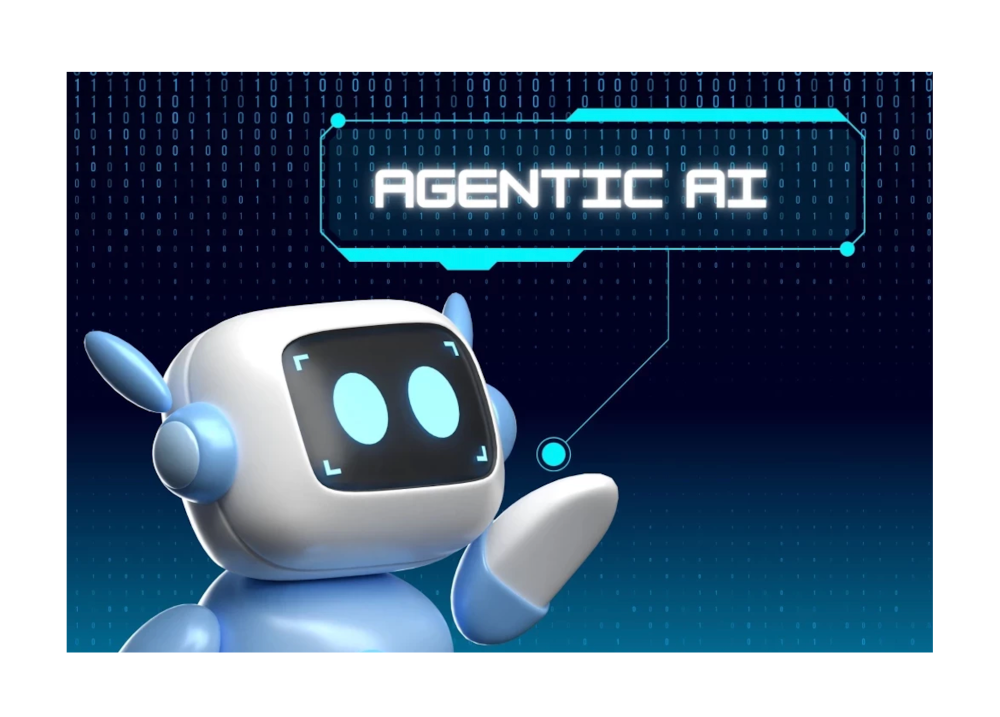
You’ve likely heard of generative artificial intelligence (AI) like Copilot and ChatGPT for creating content, or predictive AI for analyzing data and spotting trends, or even the conversational AI behind chatbots and virtual assistants. But beyond these familiar types, a new form of AI is emerging and transforming retail: agentic AI
Agentic AI, also referred to as AI agents, is an up-and-coming field of AI that’s being touted as the next big thing. It’s essentially systems that have agency over their own actions, meaning they are able to plan, reason and complete tasks with little human input. AI agents can already accelerate business processes by 30% to 50%.
So what exactly is agentic AI?
Agentic AI is powered by a combination of large language models (LLMs), natural language processing and machine learning so it can act on its own. That makes it very different from the AI most of us are familiar with. Traditional AI waits for instructions; agentic AI understands an objective and decides how to achieve it.
In retail, an AI agent might notice a popular product is running low, compare supplier prices, create a purchase order, and select the best delivery option without anyone stepping in.
How businesses like Microsoft are transforming agentic AI
Microsoft is already building agentic AI capabilities into its platforms. Its AI assistant, Copilot, now includes several smart agents that can help with things like sales, service and finance. These agents plug into existing business systems, gather information, and independently carry out actions.
Each agent is specialized in a certain task or role, but they all share the ability to:
Microsoft also offers tools like Copilot Studio, Azure AI Foundry and the Microsoft Agent Framework, which make it easier for businesses to build and manage their own AI agents without needing to be tech experts.
Agentic AI in action for retailers
Retail is a natural fit for agentic AI. This is an industry that depends on thousands of interconnecting workflows every day and AI agents can step in and handle many of these tasks automatically.
Here are a few practical ways retailers can put agentic AI to work:
To understand the difference between agentic AI and traditional systems, think of a standard ordering process that follows a set workflow to create an order, add items, process the payment and ship. Agentic AI can compare prices, handle backorders, and adjust delivery options for better results.
The rise of agentic shopping
Agentic AI’s ability to reason and adapt is what makes it so powerful and relevant for retailers. It also opens the doors to entirely new consumer experiences like agentic shopping, something McKinsey describes as:
“Shopping powered by intelligent AI agents capable of anticipating, personalizing and automating every step of the process to create frictionless, proactive experiences.”
These AI agents will be able to find the best deals, manage returns and coordinate deliveries, making shopping even more seamless and proactive. It will also push the industry into a more integrated and connected ecosystem. Instead of using separate retailers and brands for groceries, fashion, or beauty, AI agents will work across the industry to help customers get what they need in one smooth experience.
Preparing your retail business for agentic AI with LS Central
Because LS Central is available on top of Microsoft Dynamics 365 Business Central, it’s well positioned to leverage Microsoft’s growing AI capabilities.
You’ve likely heard of generative artificial intelligence (AI) like Copilot and ChatGPT for creating content, or predictive AI for analyzing data and spotting trends, or even the conversational AI behind chatbots and virtual assistants. But beyond these familiar types, a new form of AI is emerging and transforming retail: agentic AI
Agentic AI, also referred to as AI agents, is an up-and-coming field of AI that’s being touted as the next big thing. It’s essentially systems that have agency over their own actions, meaning they are able to plan, reason and complete tasks with little human input. AI agents can already accelerate business processes by 30% to 50%.
So what exactly is agentic AI?
Agentic AI is powered by a combination of large language models (LLMs), natural language processing and machine learning so it can act on its own. That makes it very different from the AI most of us are familiar with. Traditional AI waits for instructions; agentic AI understands an objective and decides how to achieve it.
In retail, an AI agent might notice a popular product is running low, compare supplier prices, create a purchase order, and select the best delivery option without anyone stepping in.
How businesses like Microsoft are transforming agentic AI
Microsoft is already building agentic AI capabilities into its platforms. Its AI assistant, Copilot, now includes several smart agents that can help with things like sales, service and finance. These agents plug into existing business systems, gather information, and independently carry out actions.
Each agent is specialized in a certain task or role, but they all share the ability to:
- Handle multi-step workflows
- Automate repetitive processes
- Offer helpful insights
- Follow up on actions
- Adapt and learn continuously.
Microsoft also offers tools like Copilot Studio, Azure AI Foundry and the Microsoft Agent Framework, which make it easier for businesses to build and manage their own AI agents without needing to be tech experts.
Agentic AI in action for retailers
Retail is a natural fit for agentic AI. This is an industry that depends on thousands of interconnecting workflows every day and AI agents can step in and handle many of these tasks automatically.
Here are a few practical ways retailers can put agentic AI to work:
- Inventory management:?Predict which products will sell out based on sales data and seasonal trends and automatically generate and send out purchase orders to suppliers.
- Customer service:?Help employees working in customer support handle inquiries, order tracking, and returns by quickly scanning emails and suggesting optimal responses.
- Price optimization:?Adjust product prices in real time based on demand and actively compare current prices to competitor activity.
- Hyper-personalization:?Instantly recommend tailored products, answer questions about order statuses, and suggest relevant campaigns/promotions.
To understand the difference between agentic AI and traditional systems, think of a standard ordering process that follows a set workflow to create an order, add items, process the payment and ship. Agentic AI can compare prices, handle backorders, and adjust delivery options for better results.
The rise of agentic shopping
Agentic AI’s ability to reason and adapt is what makes it so powerful and relevant for retailers. It also opens the doors to entirely new consumer experiences like agentic shopping, something McKinsey describes as:
“Shopping powered by intelligent AI agents capable of anticipating, personalizing and automating every step of the process to create frictionless, proactive experiences.”
These AI agents will be able to find the best deals, manage returns and coordinate deliveries, making shopping even more seamless and proactive. It will also push the industry into a more integrated and connected ecosystem. Instead of using separate retailers and brands for groceries, fashion, or beauty, AI agents will work across the industry to help customers get what they need in one smooth experience.
Preparing your retail business for agentic AI with LS Central
Because LS Central is available on top of Microsoft Dynamics 365 Business Central, it’s well positioned to leverage Microsoft’s growing AI capabilities.